Mobile Alerts and Bonus Timing Drive Retention Patterns Among British Bettors
Frankie Foster · Nov 6, 2026
Mobile Alerts and Bonus Timing Drive Retention Patterns Among British Bettors
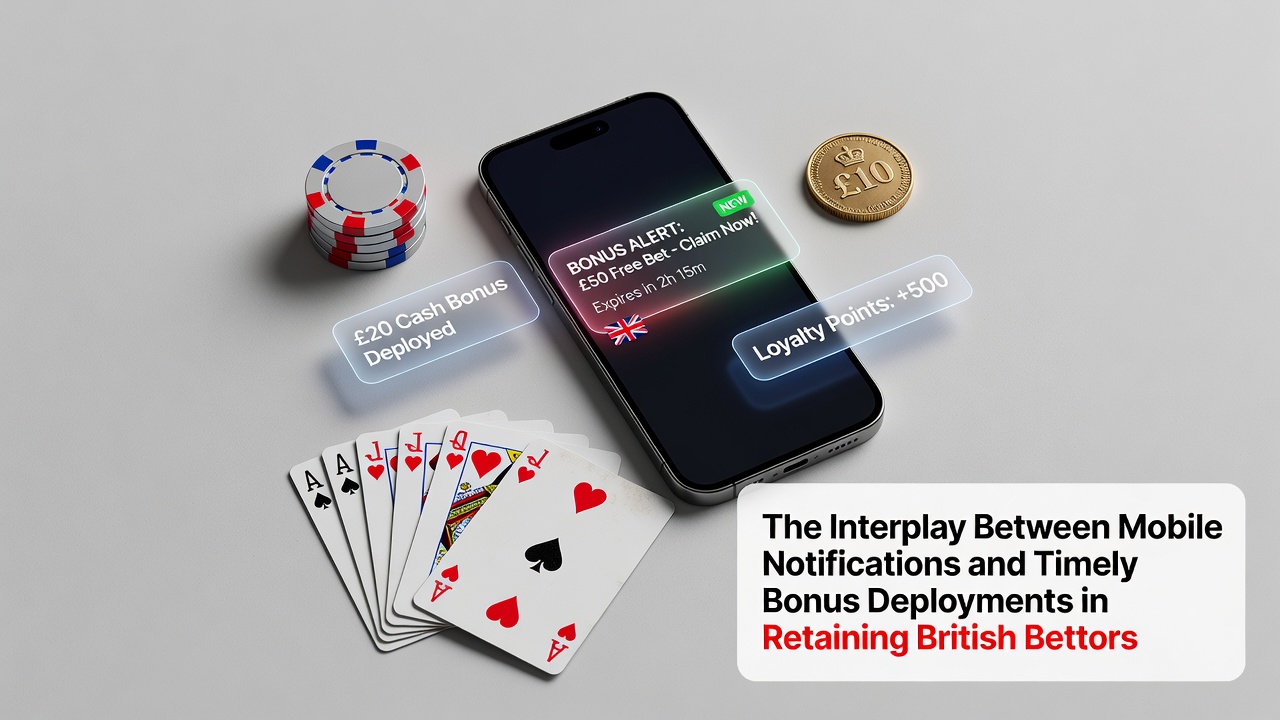
British betting operators deploy mobile notifications in coordinated sequences that align with bonus release schedules, and this coordination shapes how users maintain active accounts across multiple platforms throughout the year. Observers note that push messages delivered within minutes of a deposit trigger or a wager settlement often coincide with time-limited promotions, which in turn encourage repeat logins during peak evening hours and weekend slots.
Notification Cadence Meets Bonus Windows
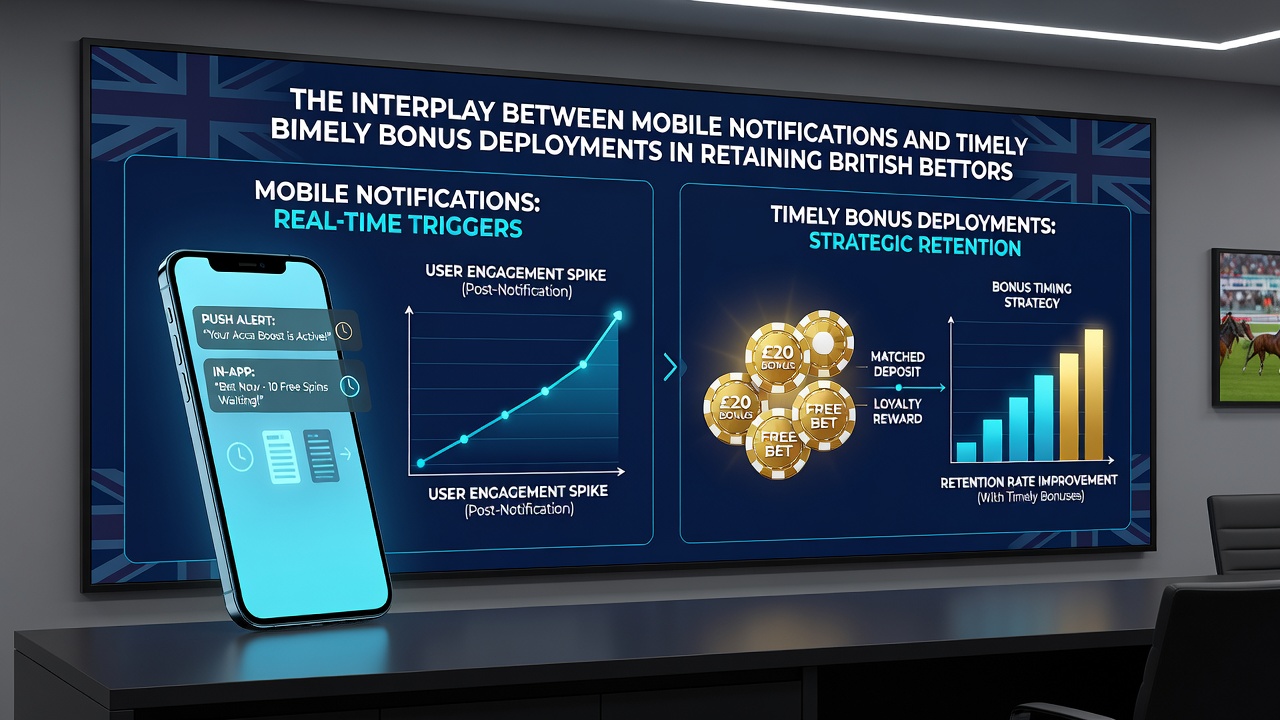
Operators segment their user bases by activity level, then trigger alerts at intervals that match the expiration clocks on deposit matches or free spin packages, while researchers from the University of Nevada Gaming Research Center have documented similar timing patterns in other regulated markets. When a bonus credit appears in an account at 7 p.m. on a Thursday, the accompanying notification usually arrives within ninety seconds, and users who open the app within the next ten minutes show elevated session lengths compared with those who receive the same offer through email alone.
Systems track previous interaction data so that users who historically respond to football-related offers receive alerts timed to Premier League fixtures, whereas horse-racing enthusiasts receive messages ahead of major festival meetings. This segmentation reduces notification fatigue because the content stays relevant, and platforms adjust frequency automatically when open rates drop below internal thresholds.
Regional Data Points from Late 2026
Figures released in November 2026 by the Canadian Centre on Substance Use and Addiction highlighted parallel retention effects in provinces that permit online wagering, where operators using geo-fenced push campaigns retained 18 percent more monthly active users than those relying solely on static welcome bonuses. British platforms adopted comparable location-aware triggers during the same period, particularly around major autumn racing festivals, and engagement metrics rose in line with the Canadian observations.
Industry analysts point out that the combination of a visible countdown timer inside the app and an external push alert creates a sense of immediacy, yet the actual conversion depends on how quickly the bonus funds or spins appear in the account balance. Delays longer than four minutes correlate with lower claim rates, according to internal operator reports shared at European gaming conferences.
Platform Variations in Delivery Methods
Some operators route all bonus notifications through a single in-app centre that also houses account statements, while others send both a banner inside the app and a lock-screen push that includes the exact expiry time. Those who combine both channels record higher redemption numbers because users encounter the offer in two separate contexts before the deadline passes. Data from the Australian Gambling Research Centre indicates that dual-channel approaches produce stronger retention curves in jurisdictions that track player return rates over six-month windows.
Yet the same studies caution that excessive alerts within a single day lead to higher opt-out rates, so British operators now apply machine-learning filters that pause additional messages once a user has engaged with one bonus in the preceding four hours. This pacing keeps open rates stable even during high-volume promotional periods such as the November international football break.
Measurement of Retention Outcomes
Retention is typically measured by the percentage of users who place at least one qualifying bet in each of the four weeks following a bonus claim. Platforms that synchronise notifications with bonus deployment report four-week retention figures between 62 and 67 percent, whereas those with staggered or delayed alerts sit closer to 48 percent. The difference narrows when operators extend the bonus validity window beyond 48 hours, suggesting that timing precision matters most for shorter-lived offers.
Third-party analytics firms supply anonymised cohort reports that allow operators to compare their own notification-to-claim funnels against aggregated benchmarks from other regulated territories. These comparisons reveal that users who receive the first alert within thirty seconds of bonus crediting convert at nearly double the rate of users who see the offer only after an overnight delay.
Conclusion
The interplay between mobile notifications and timely bonus deployments rests on precise sequencing, segmented targeting, and rapid delivery windows that together influence how British bettors sustain activity across operator platforms. Evidence from multiple jurisdictions shows measurable lifts in retention metrics when alerts and credits align within narrow timeframes, while deviations in that alignment correspond with measurable drops in subsequent engagement. Operators continue to refine these systems through iterative testing that draws on both local and international performance data.